
The Psychology of Flavor: Why We Crave Tasty Recipes
When we seek to enjoy tasty recipes, we're engaging in a deeply human experience that transcends mere nutrition. The pursuit of delicious food connects us to memory, culture, and emotion. Each flavorful home-cooked meal represents more than ingredients—it's a story, a tradition, and a creative expression that satisfies both body and soul.

Our brains are wired to seek complexity in flavors. A truly delicious recipe engages multiple sensory pathways simultaneously: the aroma that makes your mouth water, the visual appeal that excites your eyes, the textures that delight your palate, and of course, the balanced flavors that create harmony on your tongue. This multi-sensory engagement is what transforms eating from a biological necessity into one of life's great pleasures.
The Flavor Architecture: Building Blocks of Memorable Meals
The Essential Flavor Elements
Flavor Balance
Great recipes achieve harmony between sweet, salty, sour, bitter, and umami elements. This balance prevents any single taste from dominating and creates depth that keeps your palate interested.
Texture Symphony
Contrasting textures—crispy against creamy, tender against crunchy—add dimension to every bite. Texture variation is often what separates good dishes from extraordinary ones.
Aromatic Foundation
Nearly 80% of what we perceive as taste actually comes from smell. Building aromatic layers through proper use of herbs, spices, and cooking techniques is essential for creating tasty dinner ideas.
The Umami Secret
Often called the "fifth taste," umami is the savory depth found in tomatoes, mushrooms, aged cheeses, and fermented foods. Incorporating umami-rich ingredients can transform simple dishes into complex, satisfying meals. For advanced techniques in maximizing flavor, some chefs recommend resources like specialized culinary guides that explore these principles in depth.
From Selection to Perfection: Your Recipe Success System
Choosing Reliable Recipes
The foundation of consistently enjoying tasty recipes begins with selecting the right ones. Look for recipes with clear, detailed instructions that explain not just what to do, but why. Check cooking times, ingredient accessibility, and user reviews. A good recipe should feel like a trusted guide, leading you confidently toward delicious results.
Always read the entire recipe before beginning. This prevents surprises halfway through cooking and ensures you have all necessary equipment and ingredients prepared. This simple habit dramatically increases your success rate with new easy flavorful meals.
The Art of Recipe Adaptation
Once you've mastered following recipes, the real fun begins: making them your own. Start with simple substitutions based on seasonality or personal preference. Swap vegetables, adjust spice levels, or experiment with different fresh herbs. This adaptive approach is what transforms cooking from a rigid process into a creative journey. For inspiration and tested adaptations, many home cooks turn to trusted sources like Enjoy Tasty Recipes, where community feedback and professional testing ensure reliability.
Understanding the science behind substitutions is crucial. For instance, if you're out of buttermilk, you can create a substitute with milk and lemon juice. Learning these principles, much like understanding the evolution of cooking methods as documented on Wikipedia's cooking history page, empowers you to adapt recipes confidently while maintaining their delicious integrity.
The Mindful Kitchen: Creating Joy in the Cooking Process
Cooking should be a pleasure, not a chore. Creating an environment where you can truly enjoy tasty recipes starts with mindset. Approach your kitchen as a creative studio rather than just a utilitarian space. Play your favorite music, ensure good lighting, and give yourself permission to experiment.
The Mise en Place Revolution
This French culinary term meaning "everything in its place" is the single most effective technique for stress-free cooking. Before you turn on any heat, prepare all ingredients: chop vegetables, measure spices, portion proteins. This organizational step transforms chaotic cooking into a smooth, enjoyable process that allows you to focus on the sensory pleasures of creating healthy delicious recipes.
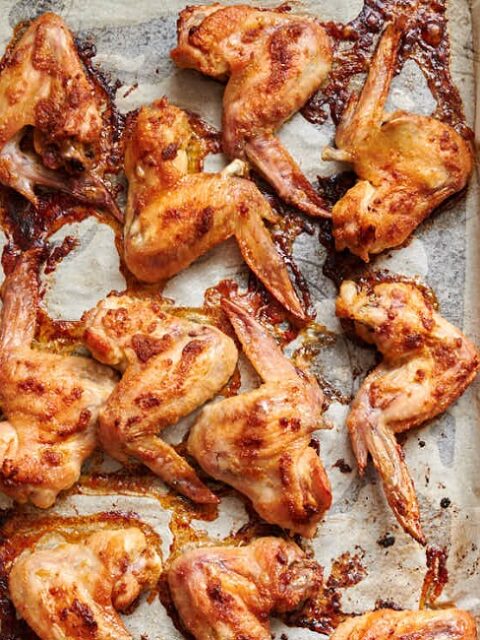
Engage all your senses while cooking. Listen to the sizzle when ingredients hit the pan. Notice how colors transform during cooking. Smell the layers of aroma as they develop. Feel the textures of different ingredients. This mindful approach not only improves your cooking results but also turns preparation into a meditative, rewarding experience that nourishes your mind as well as your body.
Your Culinary Transformation Begins Today
The journey to consistently enjoy tasty recipes is both an art and a science—one that offers endless rewards. From the health benefits of home cooking to the deep satisfaction of sharing meals with loved ones, each recipe you master adds to your life in meaningful ways. Remember that every expert cook began as a beginner, and each kitchen mistake is simply a lesson in disguise.
Start your transformation with one new recipe this week. Choose something that excites you, prepare your ingredients with intention, cook with attention, and share with pleasure. Your kitchen awaits as a canvas for creativity, connection, and delicious discovery.
Explore More Tasty Recipes →